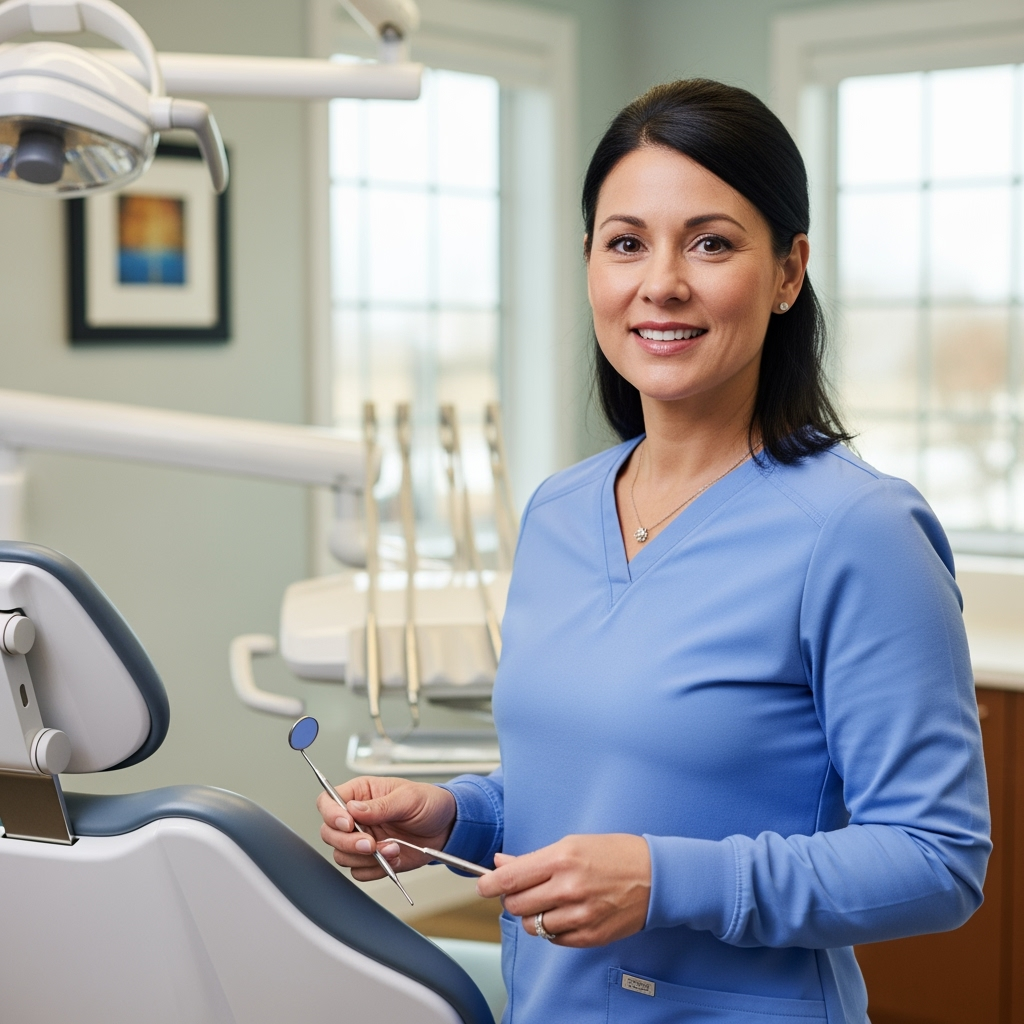
I get a lot of questions from neighbors about how to find and use an UnitedHealthcare Medicare Advantage dentist Rochelle accepts — from whether routine cleanings are covered to how to handle an unexpected toothache. If you’re new to Medicare Advantage or just moving back to this area, reliable info matters. The Centers for Disease Control and Prevention offers helpful guidance on older adult oral health, which I lean on when I explain preventive steps to people in town CDC.
Why dental coverage through Medicare Advantage matters here
In smaller communities like Rochelle and across Wilcox County, access to affordable dental care often makes the difference between treating a small problem early and facing a bigger medical issue later. Medicare Part A and Part B rarely cover routine dental, so many seniors enroll in Medicare Advantage plans that bundle medical and dental benefits. That can include screening, X-rays, fillings, crowns, and in some plans, dentures. Knowing what your UnitedHealthcare Medicare Advantage plan covers and how to find an in-network dentist keeps costs down and saves time.
Top things to check on your UnitedHealthcare plan
Before you book an appointment, take a few minutes to confirm these essentials. I walk patients through this checklist when they call about benefits, and it usually prevents surprises at the front desk.
- Verify which dental services are covered and whether there’s a waiting period for major work.
- Confirm whether you need pre-authorization for restorative procedures, crowns, or extractions.
- Ask about annual maximums, coinsurance, and any deductibles specific to dental care.
- Make sure the dentist is listed as in-network with UnitedHealthcare for your exact plan.
How to find an in-network dentist in Rochelle
Finding a dentist who accepts your plan can be straightforward when you know where to look. Start with the insurer’s provider directory, and then call the dental office to confirm they still accept that specific UnitedHealthcare plan. Offices in this area often serve multiple nearby towns, so confirming the exact plan name prevents mistakes when you arrive for your appointment. If you prefer, ask for someone at the dental office who handles insurance to walk you through benefit codes — it saves time and frustration.
Questions to ask a dental office when you call
When I help someone book, I encourage three clear questions so nothing gets lost in translation:
- Do you accept my specific UnitedHealthcare Medicare Advantage plan?
- Is the estimate the office gives you based on pre-authorization or on typical charges?
- If I need a referral to a specialist or lab work, who handles scheduling and billing?
What services are commonly covered by Medicare Advantage dental riders
Coverage varies widely by plan and region, but many Medicare Advantage dental riders include preventive and basic restorative services. In our area you’ll frequently see plans that cover two cleanings per year, X-rays, basic fillings, and emergency treatments. Some plans add partial coverage for dentures, root canals, or crowns after a waiting period. Always check for annual limits — a plan might cover up to a certain amount each year, and major care can eat through that quickly.
Step-by-step: How I prepare for a first appointment using Medicare Advantage
When I help people prepare for a new dental visit, I give them this simple sequence. It makes the appointment smoother and reduces surprise bills.
- Call the dental office to confirm they accept your exact UnitedHealthcare Medicare Advantage plan and to ask what ID and paperwork to bring.
- Bring your UnitedHealthcare insurance card and a list of current medications. If you’ve had recent dental X-rays or records, request they be sent or bring a copy.
- Ask the office if they can estimate charges for any procedure you expect, and whether they will seek pre-authorization for major work.
- Schedule follow-up appointments before you leave if you need crowns, dentures, or extended restorative care — it helps you plan around any waiting periods.
Common pain points seniors face and how to overcome them
From my conversations with patients, a few recurring issues come up: confusion over what’s covered, unexpected bills after care, and difficulty finding local providers who accept dental riders. Here’s how to handle each:
- Confusion over coverage: Request a written summary of benefits from UnitedHealthcare and bring it to your appointment. If something’s unclear, ask the dental office’s insurance specialist to review expected patient costs.
- Unexpected bills: If you get a surprise bill, contact the office billing department and your insurer. Sometimes a code or billing error is at fault and can be corrected quickly.
- Limited local options: If in-network choices feel limited in the city, ask the insurer if they cover a traveling dentist or offer reimbursement for out-of-network care in emergencies.
Trends affecting dental care for Medicare Advantage members
Two trends I’ve seen this year are already changing how seniors access care. First, tele-dentistry is expanding for consultations and follow-up appointments. While you can’t get fillings or cleanings remotely, initial triage and post-op checks via video save time and reduce travel. Second, plans are increasingly offering targeted preventive programs for seniors, with incentives for regular cleanings and periodontal care because insurers recognize that oral health affects overall health.
Why these trends matter locally
In a small community, tele-dentistry can connect residents to specialists in larger nearby cities without multiple trips. Preventive incentives reduce emergency visits to local urgent care clinics and protect household budgets. If your plan includes virtual consults, use them to decide whether an office visit is necessary — it’s a great way to start an oral-health conversation without the commute.
Financial tips: Maximizing benefits without overspending
With dental annual maximums and coinsurance, planning matters. I work with patients to prioritize care based on urgency and long-term benefit. For example, treating active decay early can prevent the need for crowns or implants later, which could exceed your annual limit.
Smart ways to plan care
- Schedule preventive visits early in the plan year to use benefits across the full calendar if your plan resets annually.
- For major work split across years, consult your provider about staged treatment to make most of two benefit years.
- Ask about in-house payment plans or sliding-fee options if you face out-of-pocket costs after insurance.
Preparing for dental emergencies in the city
Emergencies don’t wait for office hours. I recommend everyone have a simple plan: know which dentists take your UnitedHealthcare plan for same-day appointments, keep a small dental emergency kit (gauze, a small container for loose teeth, and the phone number of the office), and take a photo of any severe injury to share with a dentist during a tele-dentistry consult. If you can’t reach an in-network dentist in a true emergency, seek immediate medical care and keep all receipts for possible reimbursement.
How good oral care supports whole-body health
Oral infections can worsen diabetes control, complicate heart disease, and increase the risk of systemic inflammation. For seniors in Rochelle and nearby towns, simple steps like regular cleanings, managing dry mouth, and treating periodontal disease can improve overall well-being. I encourage patients to treat dental care as part of their routine health maintenance, especially when their Medicare Advantage plan helps cover preventive services.
Local resources and how to use them
Many community clinics and county health resources offer sliding-scale or referral programs for residents. If you’re unsure where to start, your primary care office or local senior services can often guide you to clinics that coordinate with Medicare Advantage plans. If transportation is a challenge, ask about mobile clinics, local volunteer networks, or family members who can help arrange rides to appointments.
What to expect during your dental visit in this area
Small-town offices prioritize personal care, and many provide a calm, familiar atmosphere. Expect a focused intake where staff confirm insurance and health history, a preventive cleaning or assessment, and a transparent discussion about recommended care. If X-rays or referrals are needed, staff will explain next steps and whether pre-authorization is required by UnitedHealthcare.
Action steps you can take this week
If you want to get ahead on dental care using your UnitedHealthcare Medicare Advantage benefits, try these practical steps. They’re the same actions I suggest to friends who call in with questions:
- Locate your UnitedHealthcare insurance card and write down the exact plan name.
- Call one nearby dental office to confirm they accept your plan and ask about new patient requirements.
- Schedule a preventive cleaning or tele-dentistry visit if you haven’t been seen in the last year.
- Bring a list of medications and any recent dental records to your appointment to speed up care.
Frequently asked questions I hear in Rochelle
Here are short answers to common questions I get in person and on the phone.
Will my dentures be covered?
Some Medicare Advantage plans include partial coverage for dentures after a waiting period. Check your plan details and ask the dental office whether they can estimate costs and timelines for denture work.
Can I see any dentist in town?
You can see any dentist, but using an in-network provider typically reduces your out-of-pocket costs. Always confirm network status for your exact plan before the visit.
What if I need a specialist?
For oral surgery or advanced restorative work, many practices refer patients to specialists in nearby cities. Confirm whether referrals and pre-authorizations are required and who handles scheduling and billing.
Closing thoughts and next steps
Managing dental care through a UnitedHealthcare Medicare Advantage plan in Rochelle doesn’t need to be complicated. With a bit of preparation — confirming benefits, identifying in-network dentists, and prioritizing preventive care — you can protect your smile and your budget. If you want a friendly local team to walk you through benefits, schedule care, or answer questions about coverage and appointments, reach out to the team at South Georgia Dentist. They’re familiar with UnitedHealthcare Medicare Advantage plans and serve residents across Rochelle and Wilcox County with practical, patient-first care.